
The Hidden Cost of Comfort
The Comfort Trap · Part 6

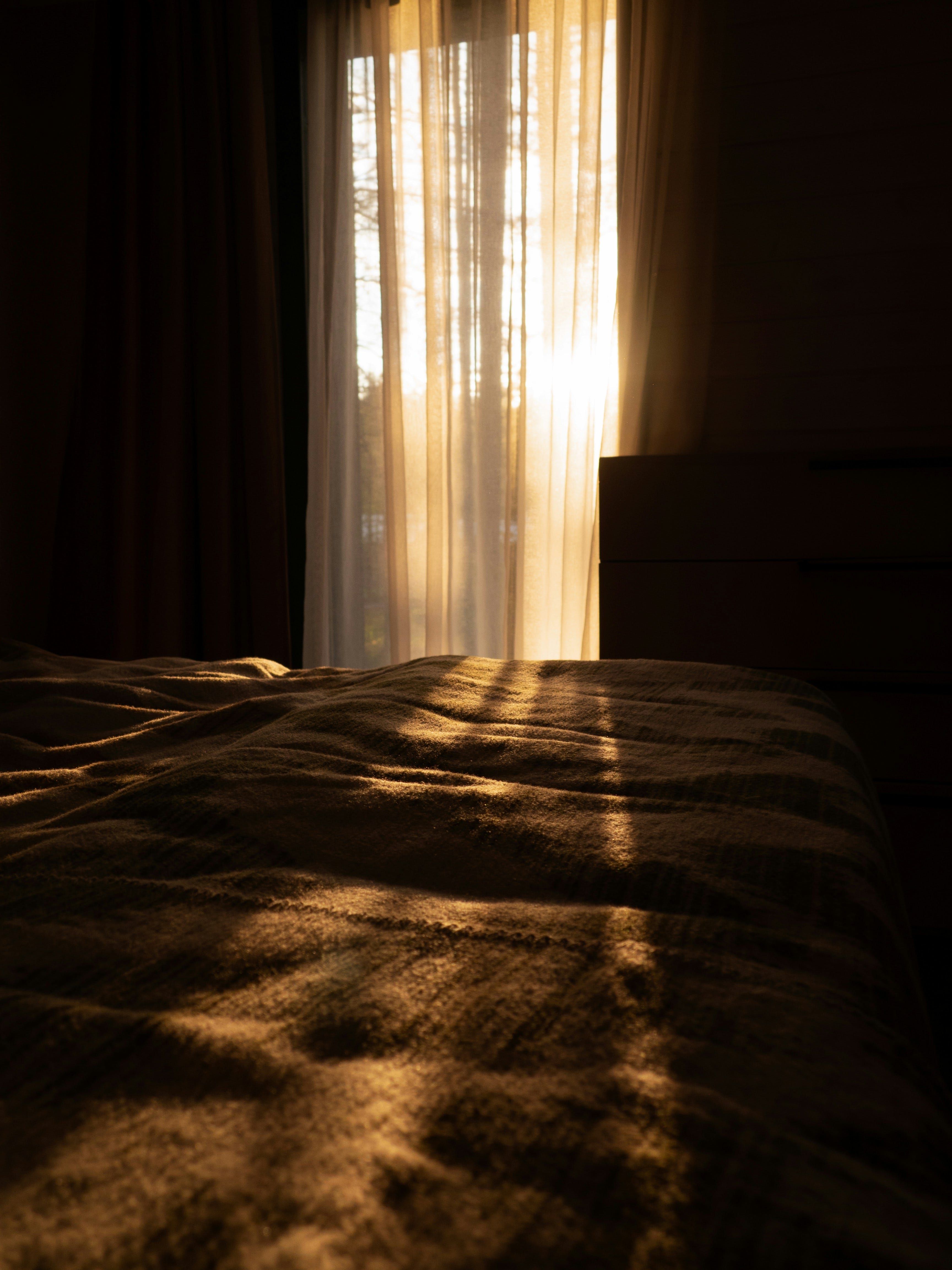
She sold the apartment, packed two suitcases, and moved to a small house outside Florence. No commute. No open-plan office. No notifications after six. She’d pictured this for years, the light, the slower mornings, the version of herself who finally had room to breathe.
Eight months in, she was snapping at her partner over the same things. Checking her phone the same number of times a day. Still avoiding the phone call she’d been avoiding in the old apartment. The house was beautiful. The view was real. She was still exactly who she’d been in the office, just somewhere prettier.
The Place Was Never the Problem
Every domain in this series has followed the same shape. Something real gets replaced by something easier. Friction from real connection, replaced by a screen. Friction from real food, replaced by something processed. Friction from raising a child, replaced by having fewer. Friction from caring for aging parents, replaced by professional care. This last one removes the final piece: yourself, from the place where your own patterns show up, hoping the patterns don’t follow.
It always does. A short temper doesn’t stay behind in the old apartment. Neither does the habit of checking a phone to avoid a feeling, or the reflex to say yes when everything in the body is saying no. These live in the nervous system, not the zip code. Move the person, and the person’s patterns move with them, fully intact, just against a nicer backdrop.
This is true at every scale the escape gets attempted. A digital detox for a weekend. A retreat for a week. A relocation for a lifetime. A monastery, even, for those who go looking for permanent stillness. Someone can sit in complete silence for a month and come out reacting to the same trigger exactly the way they did going in, because silence removes the noise, not the pattern making noise necessary in the first place.
Immediate Gratification Is the Drug of Modern Life
That line applies to every domain this series has walked through, and it applies here too, just aimed inward instead of outward. Every other escape in this series replaced something hard with something easy, a screen instead of a friend, processed food instead of a real meal, a smaller family instead of a demanding one, professional care instead of a difficult, present relationship. Leaving the place where your own reactions show up is the same move, aimed at the last remaining source of friction: your own unexamined reactions. For a while, moving away from what triggers them feels like relief. The reactions didn’t go anywhere. They’re just waiting for the next thing to attach to.
Comfort Doesn’t Cancel the Lesson. It Postpones It.
None of the friction removed across this whole series actually disappeared. It got delayed. A parent who never learned patience from a demanding child learns it later, more expensively, from a demanding boss, a demanding illness, a demanding grandchild who reminds them of everything they avoided the first time. A person who never learned to sit with discomfort by staying in a hard conversation learns it eventually anyway, in a harder one, with higher stakes and less time left to practice.
Life doesn’t let a lesson go unlearned forever. It just changes the tuition. The person who moved to Tuscany will meet her own impatience again, somewhere else, wearing a different face. The only real question left is whether she meets it awake, recognizing it for what it is, or whether it arrives as one more crisis that seems to come from nowhere.
The Question Underneath the Whole Series
Every article in this series has been asking the same thing: what do you actually want from your life, right now, in this moment. That question feels natural. It’s also the question that got us here, comfort replacing capacity, because “what do I want” will always vote for the easier thing.
There’s a different question sitting underneath it, one this whole series has been circling without naming directly until now. Not what do I want. What is this moment asking of me. Not what would make this easier. What would this actually build in me if I stayed with it. That’s not a small shift in wording. It’s a full turn, from treating life as something to be arranged for your comfort, to treating it as a partner, one that keeps offering exactly the friction you need, whether or not you asked for it.
Living Aware, or Being Made Aware
There are two ways to read the word AwareLife, and both are true at the same time.
Read forward, it means living an aware life, on purpose, choosing to notice, choosing to stay, choosing the harder conversation before it’s forced on you. That’s the deliberate path, the one every article in this series has been inviting.
Read backward, it means life will make you aware, whether you choose to or not. The friction you avoid doesn’t vanish. It waits, then returns, usually larger, usually less convenient, usually exactly shaped to reach the part of you that skipped it the first time. This is the mirror this whole series has been describing from six different directions, life sending precisely what a person needs to develop, not what they’d have picked for themselves.
Both readings point the same direction. The only choice left is whether you walk there, or get carried.
That’s the whole series, from six different rooms in the same house. A screen instead of a friend. Food instead of nourishment. A smaller family instead of a demanding one. Professional care instead of presence. An escape instead of a return. Each one, comfort standing in for something that used to cost more and give more in return.
None of it disappeared. All of it is still there, waiting, patient, for whenever you’re ready to stop postponing it.
Want to check what’s actually working in your own life, right now? What’s Working
Every article in this series, from the beginning, lives here: Start Here
What friction have you been quietly relocating instead of meeting?